Stretching across the Kilim Karst Geoforest Park, Langkawi's mangrove forests have thrived for thousands of years, sheltering extraordinary biodiversity beneath their tangled roots. These ancient coastal woodlands hold secrets that stretch back to the age of dinosaurs and continue to captivate visitors from every corner of the globe.
Langkawi's mangrove ecosystems are believed to have established themselves along the island's coastlines over 6,000 years ago, following the stabilisation of sea levels after the last Ice Age. The limestone karst formations that frame the mangroves today were themselves formed roughly 550 million years ago during the Cambrian period, making them among the oldest geological structures in Southeast Asia. Fossil evidence found within the Kilim Karst Geoforest reveals marine creatures from ancient shallow seas, indicating that the landscape has undergone dramatic transformation over geological timescales. These primordial conditions created the ideal foundation for one of the world's most complex and resilient coastal ecosystems to take root and flourish.
As the Malay Archipelago's human settlements expanded during the early centuries of the Common Era, local fishing communities on Langkawi began recognising the mangroves as vital lifelines. The forests provided shelter for fish nurseries, raw materials for boat-building, and natural storm barriers that protected coastal villages. Indigenous Malay communities developed an intimate relationship with the mangrove ecosystem, harvesting timber selectively, collecting shellfish from the mudflats, and using mangrove bark as a natural dye and medicinal remedy. This respectful coexistence shaped a tradition of sustainable resource use that echoed through generations and laid the cultural groundwork for the conservation ethic that defines Langkawi's approach to its mangroves today.
Langkawi's name itself is steeped in myth, believed to derive from the Malay words 'helang' meaning eagle and 'kawi' meaning reddish-brown stone — a nod to the island's natural grandeur. Local folklore speaks of Mahsuri, a legendary princess wrongfully executed whose dying curse supposedly kept the island barren for seven generations. The mangroves, untouched by human development for centuries due to superstition and limited access, became a sanctuary embedded in the island's spiritual identity. Traditional Malay fishermen referred to the dense mangrove channels as 'hutan bakau,' treating them with reverence and avoiding unnecessary destruction, believing the forests to be inhabited by protective spirits and ancestral guardians.
The mangroves of Langkawi are dominated by species such as Rhizophora apiculata, Bruguiera gymnorrhiza, and Avicennia marina — trees uniquely adapted to survive in saline tidal zones through remarkable biological engineering. Their iconic prop roots and pneumatophores, which rise like snorkels from the mud, create a labyrinthine underwater architecture that serves as critical nursery habitat for more than 200 species of fish, crustaceans, and molluscs. Brahminy kites, white-bellied sea eagles, monitor lizards, and even rare smooth-coated otters call this ecosystem home. For centuries, local communities monitored these species as indicators of environmental health, developing an oral ecological knowledge system passed down through generations of fishermen and forest dwellers.
The cultural practice of 'pantang larang,' a Malay system of environmental taboos, played a surprisingly effective role in conserving Langkawi's mangroves long before formal conservation laws existed. Certain areas of the mangrove were designated off-limits during fish-spawning seasons, a practice rooted in spiritual belief but functionally equivalent to modern marine protected areas. Older villagers on the island still recall their grandparents speaking of rules against cutting specific trees or disturbing nesting sites of the white-bellied sea eagle, locally revered as 'lang siput.' This indigenous ecological wisdom, blended with centuries of lived experience, created an informal conservation framework that helped preserve the extraordinary biodiversity the world now travels to witness.
The modern chapter of Langkawi's mangrove story was decisively written on June 1, 2007, when UNESCO officially designated Langkawi as a Global Geopark — the first in Southeast Asia to receive this prestigious recognition. The designation encompassed three core geoforest parks: Kilim Karst Geoforest Park, Machincang Cambrian Geoforest Park, and Dayang Bunting Marble Geoforest Park. The Kilim park, covering approximately 100 square kilometres of mangroves, limestone outcrops, and coastal waters, became the centrepiece of the island's eco-tourism identity. UNESCO's endorsement validated what local conservationists had long argued — that Langkawi's mangroves represented a globally significant natural heritage asset requiring both celebration and rigorous protection.
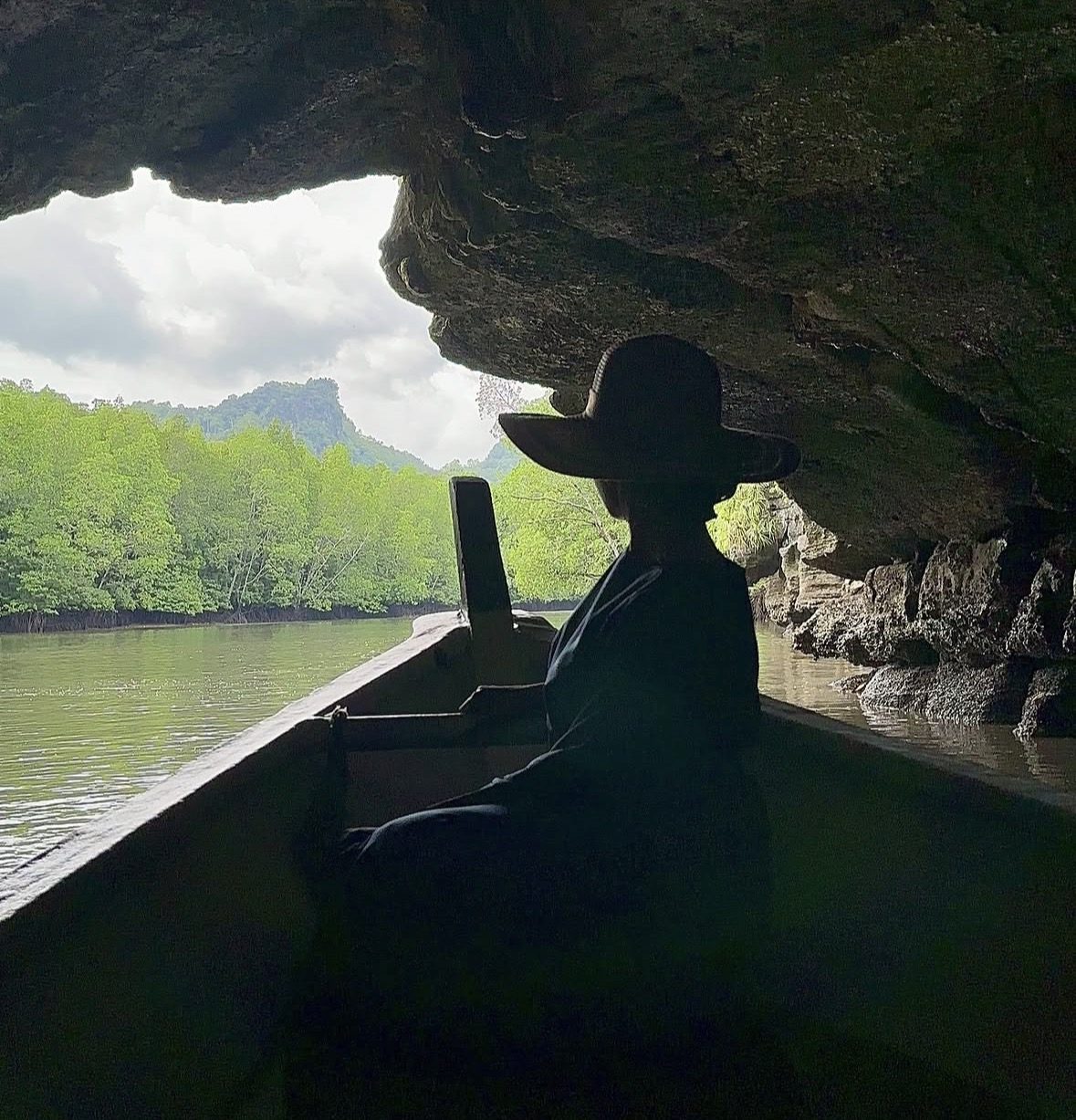
Following the UNESCO designation, the Langkawi Development Authority (LADA) invested significantly in developing sustainable tourism infrastructure within the geoforest parks. Mangrove river tours along the Kilim River became one of the island's most popular experiences, with licensed operators guiding visitors through the cathedral-like canopy of interlocking roots and branches. Dedicated eco-tourism guidelines were introduced, limiting boat speeds in ecologically sensitive zones, establishing feeding stations for eagles and monkeys at approved sites, and mandating environmental briefings for all visitors. The number of annual visitors to Kilim Geoforest Park grew from tens of thousands in the late 1990s to over 300,000 by the mid-2010s, cementing mangrove tourism as a cornerstone of Langkawi's economy.
International research institutions, including those affiliated with IUCN and WWF Malaysia, began conducting biodiversity surveys in Langkawi's mangroves following the UNESCO recognition, producing scientific literature that further elevated the forests' global profile. Studies confirmed the presence of rare species including the rhinoceros hornbill, the lesser adjutant stork, and multiple species of kingfishers nesting within the geoforest. Marine surveys documented extensive seagrass beds adjacent to the mangroves, highlighting the interconnected nature of the coastal ecosystem. This growing scientific attention helped shape progressive management policies, including replanting programmes that have added thousands of mangrove seedlings to degraded coastal areas, demonstrating a genuine long-term commitment to ecological restoration and resilience.
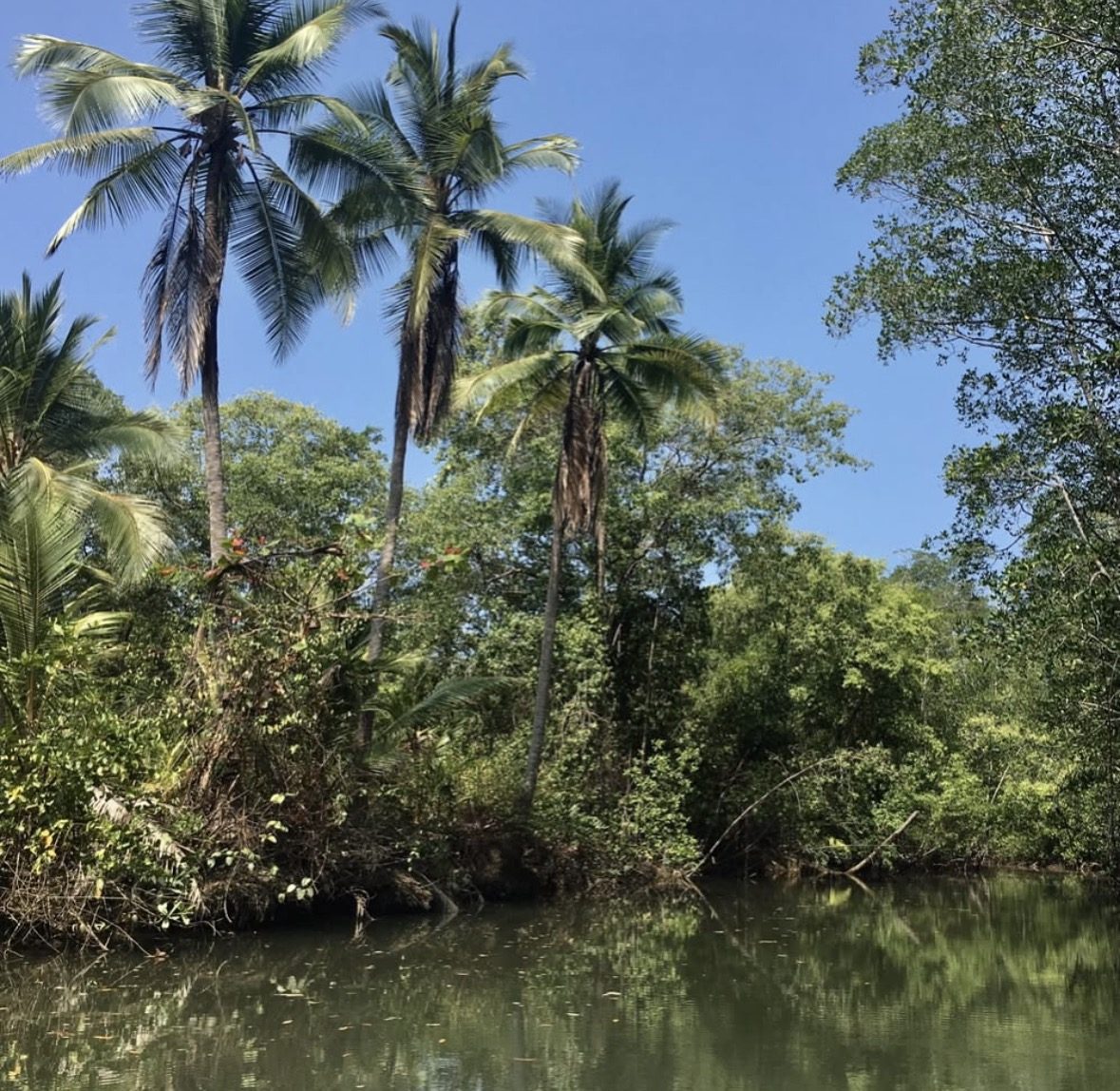
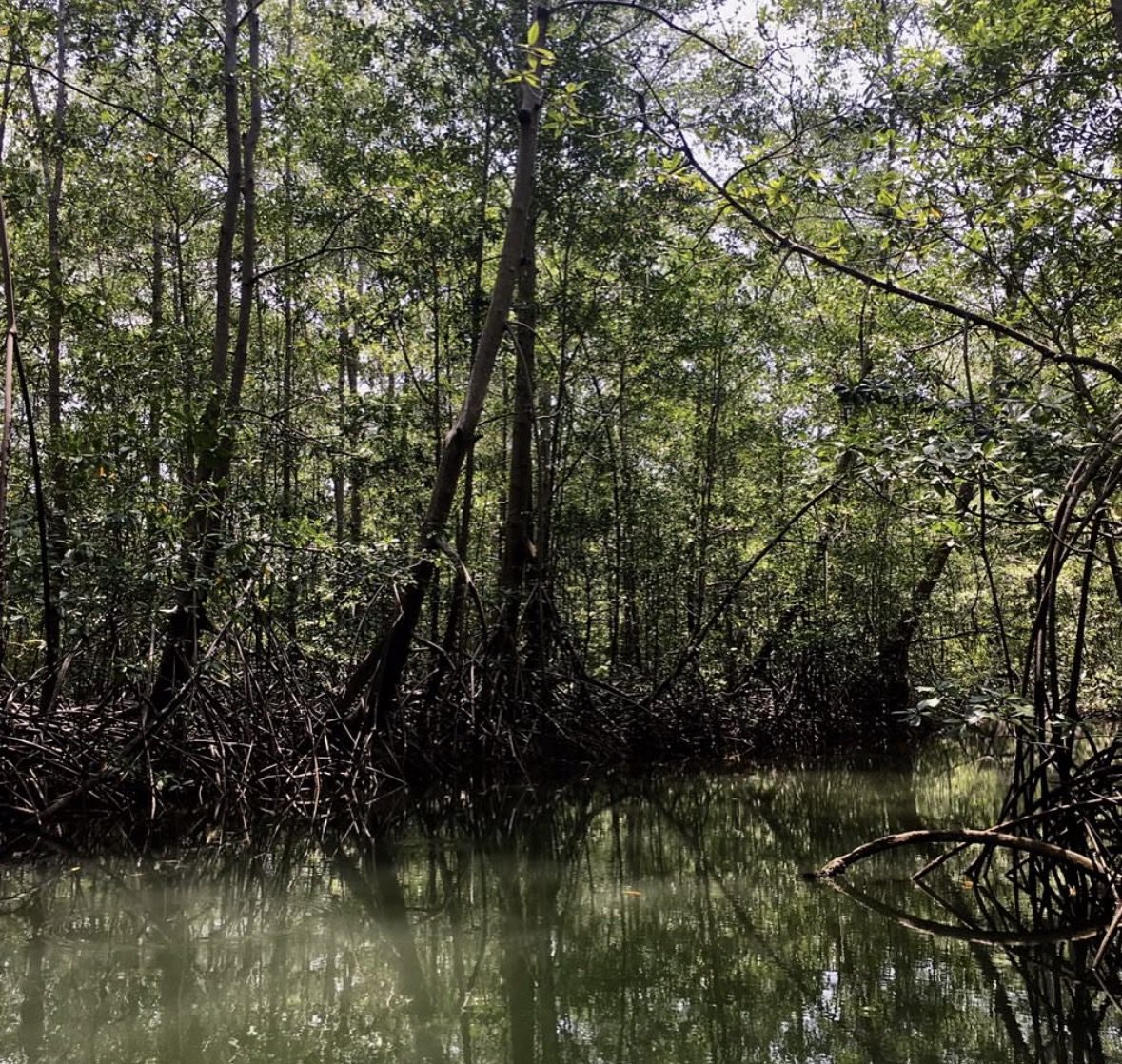
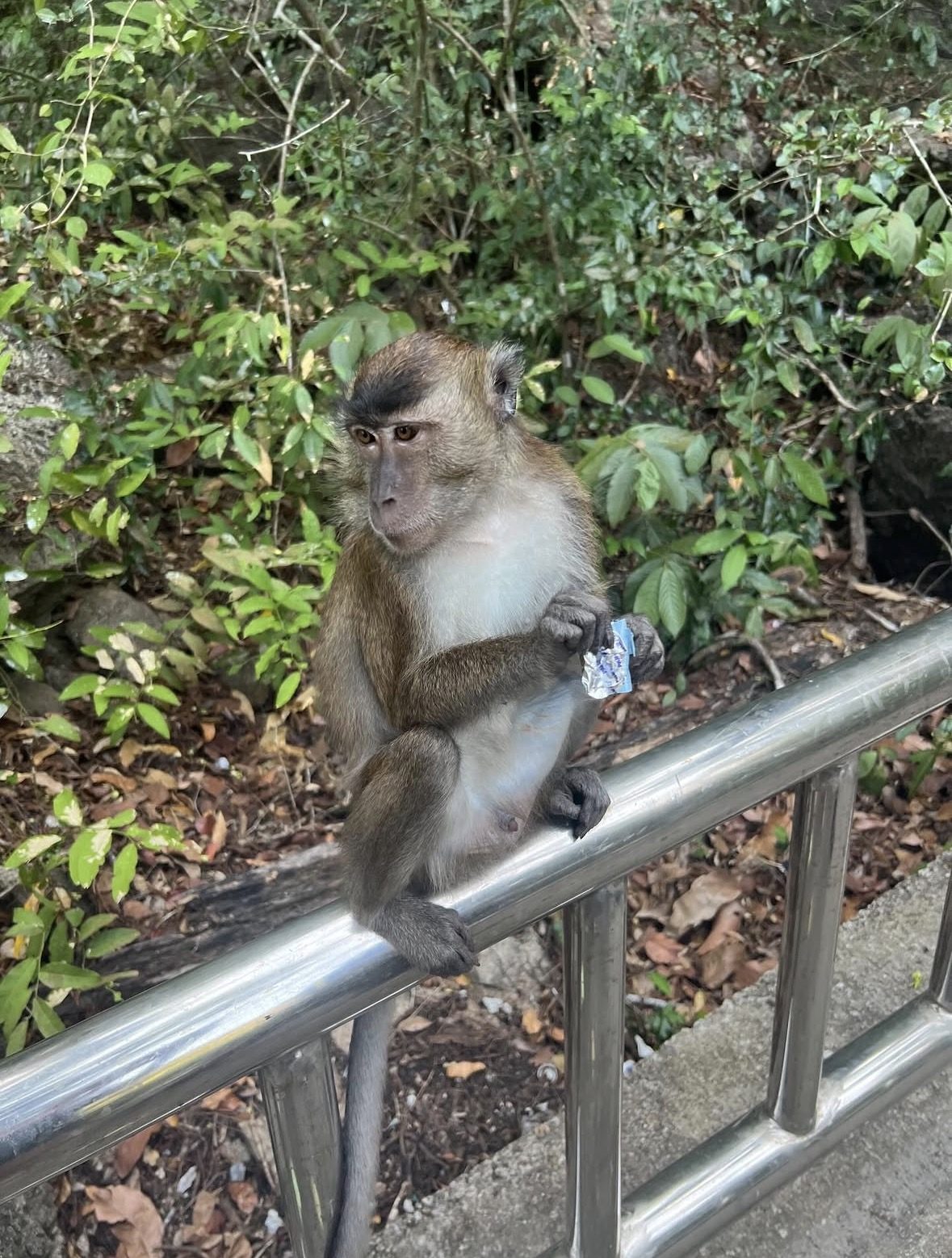
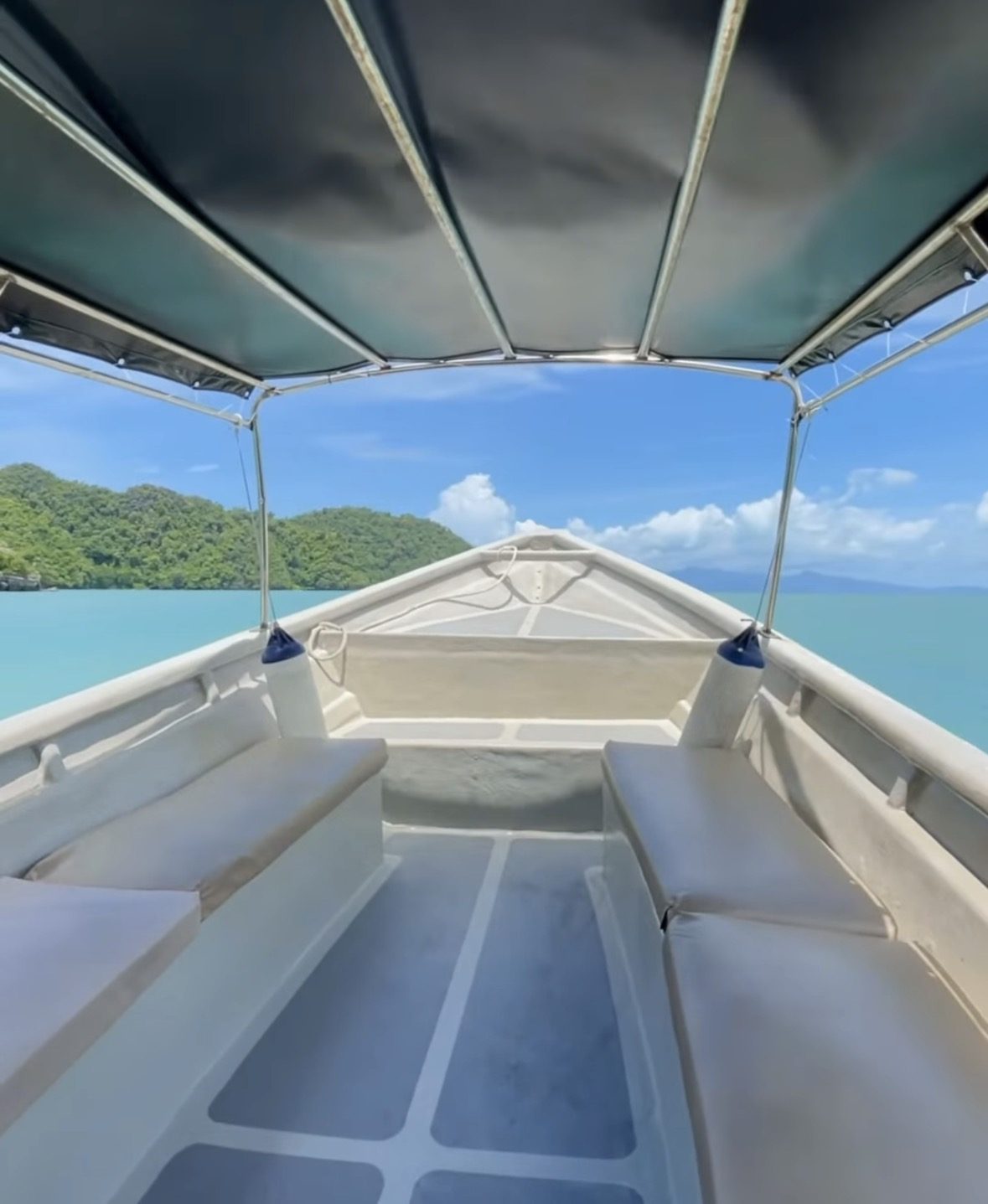
Today, the mangroves of Langkawi represent one of Malaysia's most compelling eco-tourism destinations, drawing nature lovers, photographers, kayakers, and families seeking authentic wildlife encounters. Morning boat tours departing from Kilim Jetty weave through narrow waterways flanked by towering Rhizophora trees, where brahminy kites swoop dramatically over the water and long-tailed macaques peer curiously from the branches above. Guided kayaking expeditions offer a more intimate immersion, allowing paddlers to explore shallow channels inaccessible to motorised boats. Night mangrove tours have also gained popularity, illuminating the forest's nocturnal dimension — fireflies flickering along the riverbanks in a natural light display that requires no embellishment to astonish.
Langkawi's mangroves stand as a testament to what becomes possible when ancient ecological wisdom, modern conservation science, and responsible tourism development converge in one extraordinary place. The forests that sheltered prehistoric fish, sustained generations of Malay fishermen, and earned global recognition from UNESCO continue to evolve and regenerate with remarkable vitality. Whether you glide silently through the Kilim River at dawn, watch an eagle claim its breakfast from the water's surface, or simply breathe in the primal salt-and-earth fragrance of the tidal forest, the experience is unforgettable. A visit to Langkawi's mangroves is not merely a tourist excursion — it is an encounter with deep time, living culture, and the wild heart of Southeast Asia.
Ready to Experience It Yourself?
Don't let this extraordinary living ecosystem remain just a story on a page — join a guided mangrove river tour and witness Langkawi's ancient forests, soaring sea eagles, and breathtaking karst landscapes for yourself. Expert local guides bring the history and ecology of the geoforest to life in ways no article ever could. Secure your spot today and make your Langkawi adventure truly unforgettable.
Book Your Tour Now